

Key takeaways
Key takeaways
0401
Sequence compliance before chrome
Know your license or BaaS split, then ship one money path with KYC evidence and a real ledger. Pretty dashboards wait.
02
Ledger first, screens second
If balances, fees, and refunds cannot reconcile, the product is not ready no matter how polished the app looks.
03
Idempotency is a product requirement
Retries, webhooks, and double-taps create duplicate charges when write paths are not designed for it.
04
Integrations own the calendar
Processors, KYC vendors, and cores vary wildly. Budget each as its own mini-project.
What does fintech software development include?
Fintech software development covers systems that move, record, or decide money: wallets, lending portals, payment orchestration, treasury tools, embedded finance APIs, and the ops dashboards that keep those flows honest. A useful first release is not a full bank. It is one money path that posts correctly, fails safely, and leaves an audit trail.
Picture a user who taps Pay twice because the spinner hangs. Or a webhook that arrives twice. Or a refund that lands after a partial capture. If your partner only demos happy paths, ask how those three cases post to the ledger. The answer tells you whether you hired a fintech team or a CRUD shop with a payments logo.
Buyers hunting a fintech software development company usually need more than generalist engineering. They need someone who will refuse a launch that cannot reverse a payment. That refusal is a feature of a serious engagement.
Still choosing custom versus package software? Start with custom software vs off-the-shelf. Fintech often lands hybrid: licensed rails or a banking-as-a-service partner for commodity banking, plus a product layer you own.
What should you build first in a fintech MVP?
Fintech MVP work should start with regulatory classification and partner split, then one core transaction flow with KYC evidence, then trust and ops tooling. Fancy analytics and multi-rail support come later. If a feature does not move money safely or prove who the user is, it belongs in version two.
Answer three questions before the first sprint. What licenses or registrations apply in your markets? What does your BaaS or processor own versus what you own? What is the minimum compliant version of the core flow? Those answers are the non-negotiable backlog.
BaaS and processor partnerships change the build. You may inherit core banking controls and still own KYC UX, disclosures, complaint handling, and the evidence trail partners will ask for. Do not assume “they handle compliance” means you can skip identity decision logs.
Keep the first user-facing set small: onboard, fund or pay once, see status, get support when it fails. Five to ten surfaces that complete the primary action safely beat a menu of half-finished products.
Why do ledgers and payment state machines decide whether the product is real?
Because a fintech product that cannot answer “where did this dollar go?” is a liability. Treat money as an append-only journal. Prefer double-entry or an equivalent balanced model so every movement is a debit and a matching credit. Derive balances. Never overwrite a balance field in place when something goes wrong—append a reversing entry.
Pair the ledger with an explicit payment state machine: initiated, pending, completed, failed, reversed, refunded. Store reason codes. Customer support and partner audits both need the timeline, not a screenshot of a green checkmark that lied.
Create the payment intent in your database before you call the processor. Carry an idempotency key on every write that changes money. Sign and verify webhooks. Assume out-of-order and duplicate delivery. Teams that skip this learn it from chargebacks.
Reconciliation is not a reporting epic for later. Match processor settlements and bank files against internal postings from the first money-moving slice. Custom software development cost covers general bands; fintech sits toward the top when ledger depth and vendor work are in scope.
Money paths that need first-class design
Path
Authorize / capture
Must handle
Partial capture, expiry, voids
Common failure
Orphan authorizations
Path
Refund / reversal
Must handle
Partial refunds, late chargebacks
Common failure
Balance drift
Path
Fees
Must handle
Who pays, when posted, tax notes
Common failure
Silent fee drops
Path
Transfers
Must handle
Idempotent keys, dual control
Common failure
Duplicate sends
Path
Settlement
Must handle
Batch vs real-time, FX
Common failure
Unmatched batches
| Path | Must handle | Common failure |
|---|---|---|
| Authorize / capture | Partial capture, expiry, voids | Orphan authorizations |
| Refund / reversal | Partial refunds, late chargebacks | Balance drift |
| Fees | Who pays, when posted, tax notes | Silent fee drops |
| Transfers | Idempotent keys, dual control | Duplicate sends |
| Settlement | Batch vs real-time, FX | Unmatched batches |
What identity and control work belongs in the first release?
KYC and AML you actually run, not a “coming soon” banner. Store evidence: vendor reference IDs, timestamps, signals checked, risk scores, decision reasons, and any manual override. An identity check without a queryable evidence trail fails the first partner questionnaire.
Role-based access with separation of duties. The person who can initiate a payout should not be the only approver past a threshold. Dual control sounds heavy. It is cheaper than an irreversible send.
Immutable audit logs for privileged actions: login failures, role changes, config edits, manual adjustments, and data exports. If it can change money or expose customer records, log actor, time, and before/after where practical.
We do not claim certifications we do not hold. Ask vendors for threat models, access reviews, staging pen-test reports, and a written data-handling plan. Practice you can inspect beats a logo on a homepage.
Which payment and banking integrations stretch the timeline?
Card processors look similar in sales decks and differ in webhook reliability, dispute APIs, and sandbox fidelity. Budget time for delayed webhooks, out-of-order events, and duplicates.
Open banking and account aggregation vary by market. European PSD-style flows are not US bank connectivity. Jurisdiction is a product requirement.
Core banking or ledger vendors often dominate the calendar. Discovery should map your real interfaces before anyone promises a launch date. “We’ll integrate later” is how programs slip a quarter.
API integration services covers the craft. For fintech, add contract tests against sandbox quirks and a runbook for when the vendor status page goes red at your peak hour.
How should you phase a fintech build?
Ship one money path end to end in a controlled pilot. Invite-only top-up and spend with a single processor, full ledger posting, and support tools to reverse a mistaken charge. Real money in a small cohort beats a wide feature list that never reconciles.
Add risk and ops next: review queues, chargeback handling, exportable audit views. Skip ops tooling and your team invents spreadsheets within a month.
Then expand rails and markets. Multi-currency, new processors, and lending multiply state machines. They belong after the first path is boringly correct.
Commercial path: custom software development. Process: how to build custom software. Need seats on an existing stack? Staff augmentation vs outsourcing.
Next step
Which money path needs to work first?
Send the payment rails, KYC vendor, and the one flow that must reconcile in production. We will map a slice that posts correctly before it grows features.
Talk to Algo VortexSame cluster
Related in this cluster
Custom software development
Custom software earns its keep when your workflow does not fit a vendor tool, or when that workflow is the product customers buy. Here is how to decide, what a serious engagement includes, and how to ship something your team can still run after launch.
How to build custom software
Start custom software with one job, known users, and a result you can demonstrate. Model the records behind that job, ship a vertical slice through a real integration, and put it in staging early. Broad platform plans can wait until the first workflow works.
API integration services
API integration work starts after the first successful request. Production systems need token renewal, rate-limit handling, safe retries, webhook verification, reconciliation, and logs that explain what happened. Scope those failure paths early or the estimate will miss most of the job.
Custom software development cost
Custom software cost follows scope, integrations, data, and the team needed to keep it running. A useful estimate separates the first production release from hosting, maintenance, and later changes. This guide explains the cost drivers already hiding inside most briefs.
SaaS development
SaaS development includes the product people pay for and the rails that keep each customer separate: tenancy, billing, permissions, support tools, and controlled releases. A credible MVP pairs those basics with one workflow that solves a painful job. Everything else can wait.
Capabilities
Related capabilities
Custom Software Development
From discovery through production releases, we build the systems your business actually runs on.
QA & Security
Automated tests, performance checks, and security-minded QA so fewer surprises show up late.
Web & Mobile Development
React, Next.js, Flutter, or React Native apps fast enough for daily use and solid enough to grow.
Proof
Related case studies
Live products where this kind of work showed up in the build.
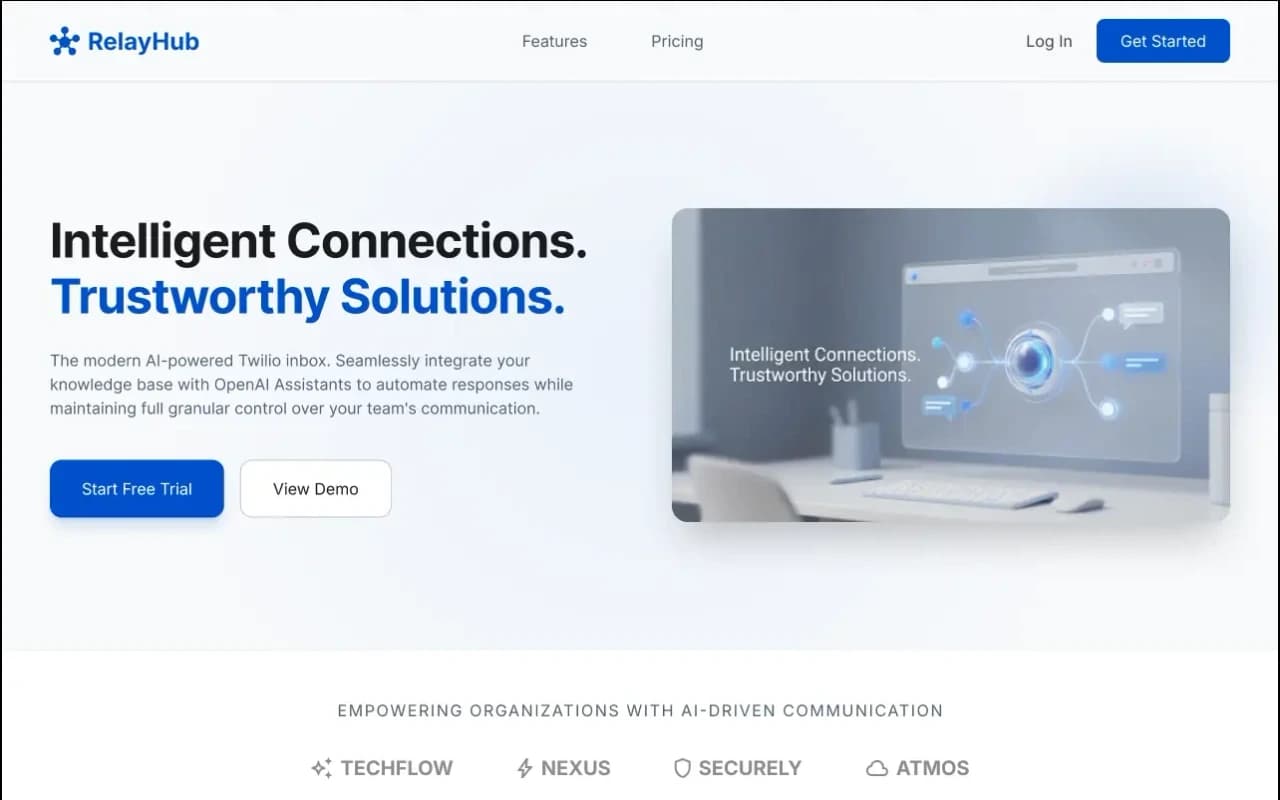
One triage view for Twilio phone and digital threads, with OpenAI drafts under admin prompts. Built for teams tired of rebuilding context across tools.

Editorial catalog with Stripe holds and automated return pickup. Lender dashboard keeps inventory and earnings honest for both sides.
FAQ
Questions
More on all insights, custom software, or contact Algo Vortex.