

How an engagement runs
- 01
Frame the job and the data
Map the user job, success metrics, data sources, and constraints. You leave with a scoped first slice and a clear no-go list.
- 02
Prove a thin vertical slice
Ship a working path in your stack with evaluation on real samples so quality and cost are visible before you scale spend.
- 03
Harden for production
Auth, monitoring, fallbacks, rate limits, and admin controls land so the feature can run without a specialist babysitting every request.
- 04
Operate and iterate
Keep tuning prompts, retrieval, and models against measured quality, or hand you a runbook and train your team to own it.
When is AI development the right call?
AI development services turn models, retrieval, and data pipelines into dependable product features. The work can cover copilots, document extraction, semantic search, forecasting, routing, or ranking. A suitable project has a clear user task, representative data, and a measurable quality bar for production.
Work starts from the job the feature must do for users and for your numbers. If a rules engine or a cleaner workflow already solves it, we say so early. When models are the right tool, design covers latency budgets, token cost, evaluation sets, and a clear handoff to humans when the model is unsure. Know what "good enough" means before provider spend piles up.
This work fits best when you already have a product surface, data you can access under clear terms, and someone on your side who can accept or reject quality. Greenfield AI products work too, as long as success metrics, failure modes, and prompt and data ownership after launch are agreed. Skip us if you only want a demo deck with no path into your auth, APIs, and ops.
What does an AI development engagement include?
Common builds include chat and assistant experiences wired to your APIs and knowledge bases, RAG systems with source citations, classification and extraction over tickets or contracts, recommendation and ranking for catalogs or content, and batch or streaming pipelines that keep training and inference data clean. Admin tools ship too, so your team can tune behavior without a redeploy for every wording change.
The boring layer matters as much as the model call. Evaluation suites, prompt and version control, rate limits, audit logs, fallbacks when providers fail, and feature flags let you roll out to a slice of tenants first. On the data side, warehouses and lakes get set up when they are missing, plus ETL and reverse ETL, and dashboards that show quality and cost so finance and engineering see the same numbers.
When the AI feature sits inside a larger product, the surrounding web and API work comes with it. That is how RelayHub-style inboxes and RouteMind-style advisors leave the lab. The model is one piece of a shippable system with monitoring, storage, and a UI people can use without calling you for every edge case.
How do you take an AI feature to production?
Discovery covers use cases, data access, compliance constraints, and a thin vertical slice that proves the approach on your samples. That slice then gets hardened with tests on golden sets, monitoring, cost caps, and integration with your auth and billing. Sprints stay short. Working software shows up in your environment, not slide decks about future capability.
Runbooks get written so your ops or ours can restart jobs, rotate keys, and roll back model versions without calling anyone at midnight for every blip. Status is written down. Risks show up early: dirty data, unclear ownership of prompts, provider limits, or a quality bar that the current corpus cannot hit. Better to stop a bad bet in week three than keep spending into a weak result.
What stack do you use for AI work?
OpenAI, Anthropic, and open models when you need them, plus LangChain or custom orchestration when frameworks help and plain SDKs when they get in the way. Python and TypeScript cover most services. Vector stores, Postgres, and cloud object storage hold embeddings and documents. FastAPI and Node services are common for inference and orchestration layers.
Practices matter more than logos. Prompts and datasets get versioned, PII stays out of logs, eval data stays separate from production traffic, and answer quality gets measured the same way every week so regressions show up early. Cost per successful task is tracked alongside accuracy. If a cheaper model meets the bar, we switch.
Which industries use this AI work?
Most AI work we see sits in SaaS inboxes and knowledge tools, logistics planning, healthcare document flows, fintech risk and support, and education assessment. The patterns transfer. Compliance and data rules change per domain, and those rules get treated as product requirements, not footnotes.
Why hire Algo Vortex for AI development?
Teams hire Algo Vortex when they want AI that sits inside an existing product roadmap, with engineers who also ship the web and API work around the model. One accountable team beats a research spike that never lands. Clients in the US, UK, UAE, and elsewhere get overlap hours, NDAs first when needed, and IP that stays yours.
Delivery is remote-first from Lahore and written down so timezone gaps do not become silent blockers. Fixed-scope builds, dedicated teams, staff augmentation around your existing AI lead, or a wider offshore development center all work depending on how lasting the unit needs to be. Read our AI agent development guide, see RelayHub, or contact us when you have a use case and data ready to pressure-test.
Technologies we use
Stack
- OpenAI
- LangChain
- Python
- TypeScript
- PostgreSQL
- Pinecone
- Amazon S3
- AWS
- FastAPI
- TensorFlow
Common industries
- SaaS
- Logistics
- Healthcare
- Fintech
- EdTech
- E-commerce
Proof
Related case studies
Live products where this capability showed up in the build.
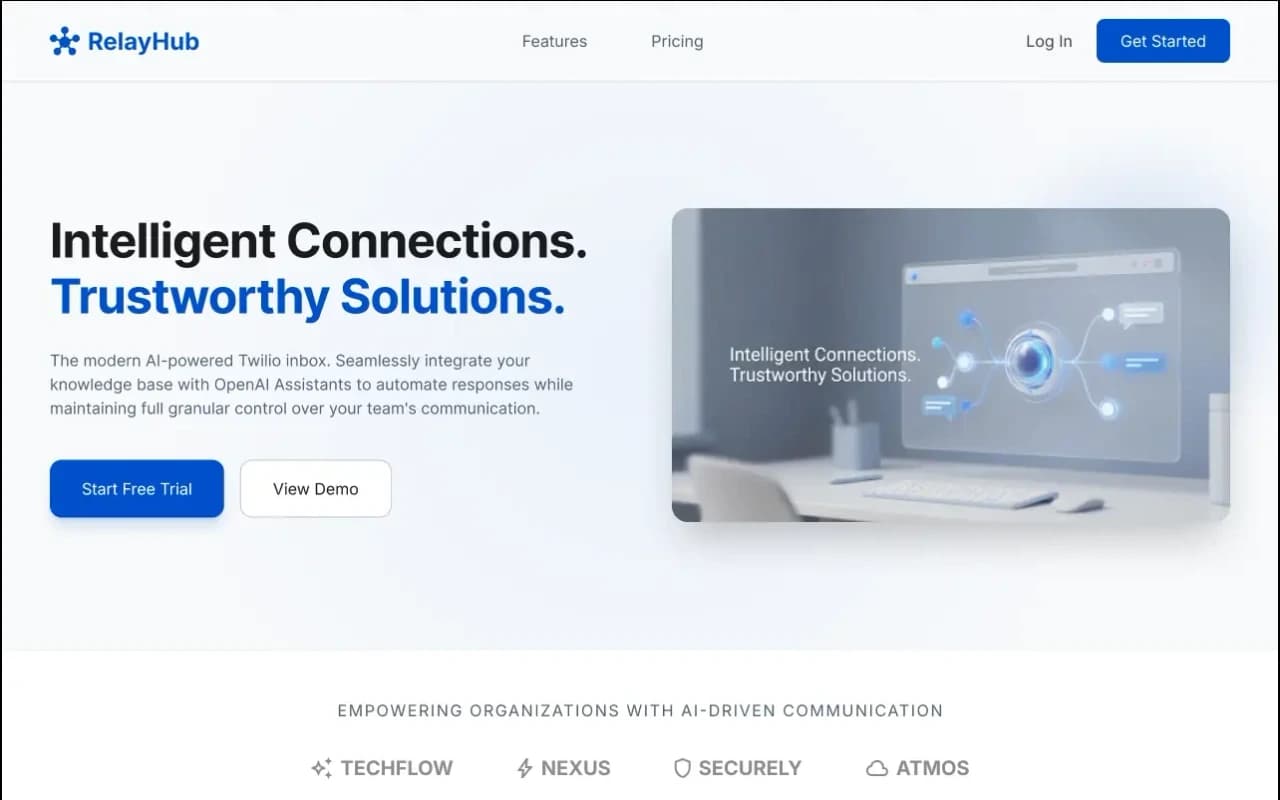
One triage view for Twilio phone and digital threads, with OpenAI drafts under admin prompts. Built for teams tired of rebuilding context across tools.
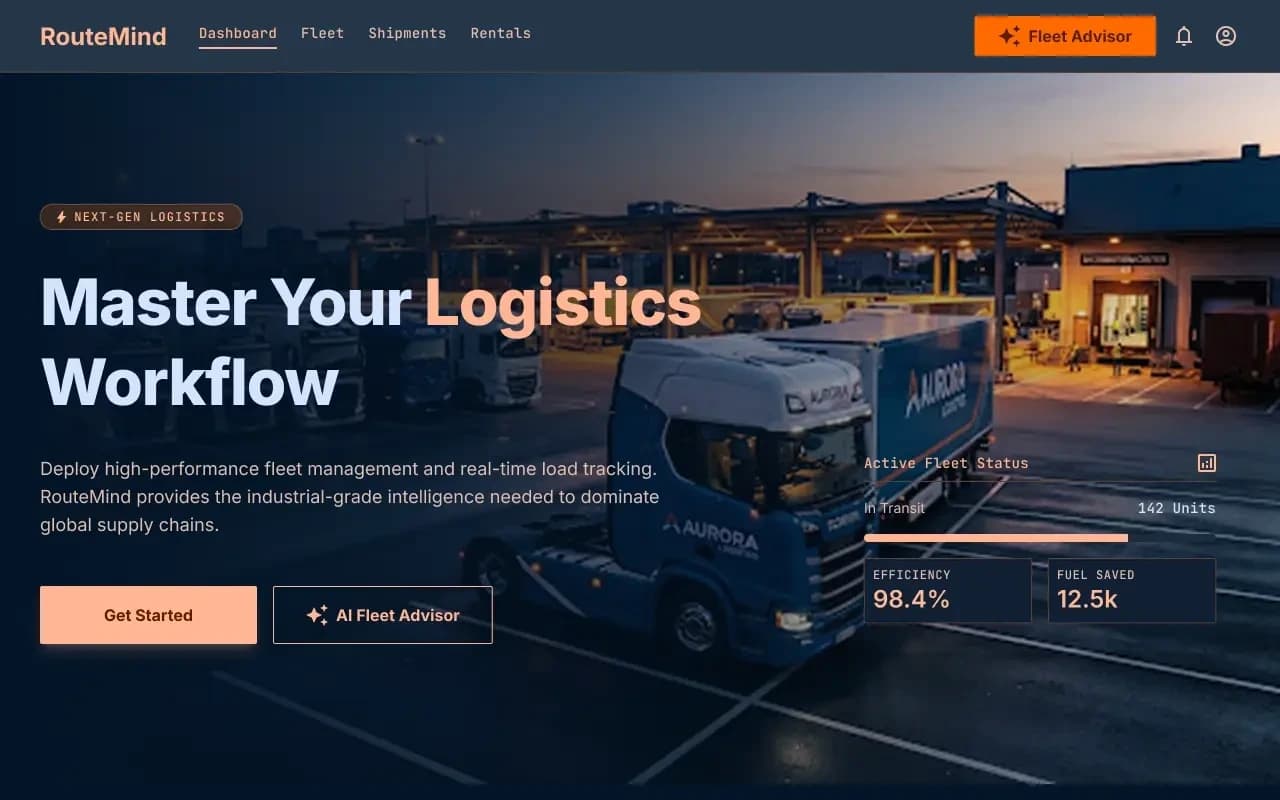
Shipper load board and fleet dashboard on one ops model, with an AI advisor that reads live capacity before suggesting the next move.
Capabilities
Related capabilities
Custom Software Development
From discovery through production releases, we build the systems your business actually runs on.
Cloud & DevOps
AWS, Azure, or GCP with CI/CD and automation so releases stay boring in the good way.
Digital Strategy & Consulting
Workshops and roadmaps when you need a clear engineering plan before you grow the team.
FAQ
Questions about this service
More engagement and IP questions live on the FAQ page. For a lasting dedicated unit, read the Offshore Development Center guide. Ready to talk? Contact Algo Vortex.