

How an engagement runs
- 01
Product and platform choices
Lock target platforms, must-have flows, and shared API needs so web and mobile do not diverge by accident.
- 02
Design system and foundations
Components, navigation, auth, and CI for each client land first, with a staging build you can click through.
- 03
Feature sprints to launch
Ship user-facing flows in priority order, with QA on real devices and browsers before each release train.
- 04
Store release and iterate
App store submission, monitoring, and a backlog for the next version based on crash data and user feedback.
When do web and mobile apps need the same product team?
Web and mobile development covers customer or staff applications used in browsers and on phones. One product team can build shared APIs, consistent workflows, and device-specific interfaces for checkout, booking, dispatch, learning, collaboration, or account management while accounting for performance, accessibility, offline use, and app store review.
SaaS web apps are a common shape. Multi-tenant auth, billing hooks, admin consoles, and customer-facing dashboards need one design system. Consumer apps add feeds, maps, media, and push notifications. Internal tools prioritize speed of ops over marketing polish. One team that can share models and APIs across web and mobile beats two vendors arguing about whose bug it is.
Help covers starting fresh, extending a React or React Native codebase, or adding a Flutter client beside an existing web product. Platform choice is a product decision. Trade-offs get explained before locking them so you are not stuck with a stack your team cannot hire for.
What do you build on web and mobile?
On the web, application UI with React and Next.js, server rendering where SEO or first load matters, and solid API clients. Marketing sites only when they sit next to the product. On mobile, Flutter or React Native for shared codebases, or native modules when a feature demands them. Store builds, crash reporting, and analytics land before public launch. If a feature needs background sync or deep links, that gets planned with the first release, not bolted on after store rejection.
Typical products include marketplaces, rental and commerce flows, social discovery, assessment platforms, fleet and field tools, and B2B SaaS with role-based access. Admin and support surfaces your team uses after launch get built too. Gusto-style discovery, QuizQuest-style learning, and Loom & Luxe-style browse and checkout are the kind of concrete UI that ships here, not wireframe theater.
For SaaS specifically, planning covers shared component libraries, tenant-aware routing, and environments that let you demo a feature to one customer before opening it to everyone. Billing, entitlements, and audit logs get treated as product features, not bolted on the week before launch.
How do you deliver web and mobile apps?
Platforms get locked early: web only, mobile only, or both with a shared backend. Design and engineering work from the same component language so mobile does not become a late translation of a desktop mock. Releases go through TestFlight, Play internal tracks, and web staging.
Clickable progress shows up on a cadence you can plan around. QA runs on real devices and browsers. Store metadata, privacy labels, and review responses get prepared with you keeping the developer accounts. If a third-party SDK or store policy blocks a path, that surfaces early and the plan changes instead of waiting until submission day. Release notes stay short and honest so support knows what changed before customers ask.
What stack do you use for web and mobile?
React, Next.js, TypeScript, Flutter, and React Native cover most front ends. Back ends often use Node, Django, Rails, or Express on AWS with Postgres and object storage. Maps, payments, and messaging plug in through proven vendors such as Stripe and Google Maps.
Bundle size, cold start, list virtualization, and image pipelines get attention because those details decide whether users stay. Accessibility and keyboard flows get tested. CI runs on every pull request. Observability with tools like Sentry is part of launch, not a later nice-to-have.
How do you ship SaaS on web and mobile?
SaaS products usually need a customer app and an admin app that share one API and one design system. Multi-tenant auth, billing hooks, entitlements, and audit logs belong in the first architecture, not in a scramble before launch.
Feature flags and tenant-aware routing let you demo a change to one account before everyone sees it. Mobile clients for the same SaaS stay on the same models so field and desk users do not get two different truths. QuizQuest-style assessment and RelayHub-style ops tools are the kinds of SaaS surfaces this stack is built for.
Which industries use these web and mobile apps?
E-commerce and rentals, hospitality and local discovery, logistics, edtech, and B2B SaaS show up often. Users on phones in the field or on laptops in an office both have patterns that fit. The shared API stays honest so the clients do not drift apart.
Related case studies: Loom & Luxe, QuizQuest, Gusto.
Why hire Algo Vortex for web and mobile?
Product leaders pick Algo Vortex when screens need to match how people actually use apps: feeds, checkouts, dashboards, maps, and timed flows that survive real devices. Engineers here have shipped to the App Store and Play Store, and web apps that can take traffic without a yearly rewrite.
US, UK, UAE, and other international clients get overlap hours. Staff augmentation, dedicated teams, fixed-price builds, and offshore development center models are available depending on roadmap stability. See Gusto and QuizQuest, then contact us with your platforms, must-have flows, and store deadlines.
Technologies we use
Stack
- React
- Next.js
- TypeScript
- Flutter
- React Native
- Node.js
- PostgreSQL
- Stripe
- Google Maps API
- Vercel
Common industries
- E-commerce
- SaaS
- Hospitality
- Logistics
- EdTech
- Retail & CPG
Proof
Related case studies
Live products where this capability showed up in the build.

Editorial catalog with Stripe holds and automated return pickup. Lender dashboard keeps inventory and earnings honest for both sides.
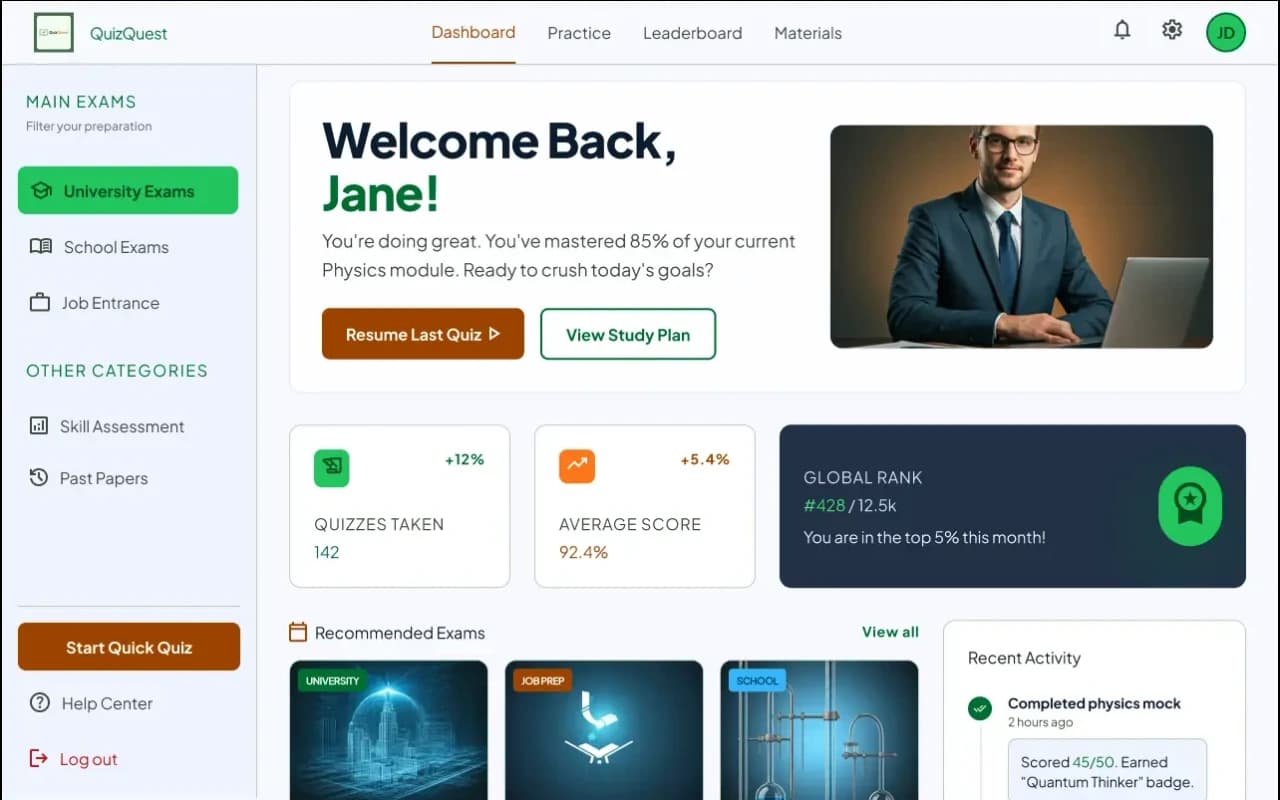
Timed MCQs with instant feedback, topic mastery profiles, and a Question Creator instructors can publish without waiting on engineering.
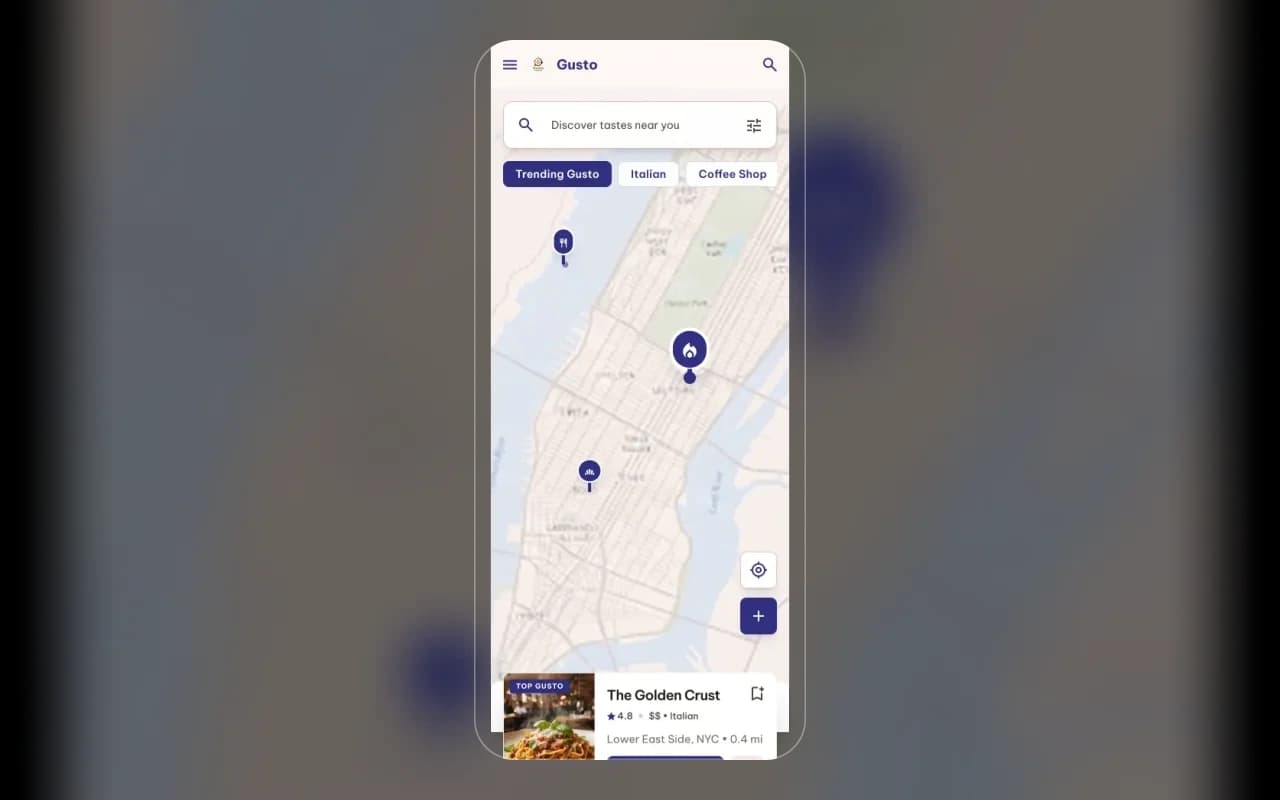
Map-first restaurant discovery with friend posts and dish photos. Social proof you can inspect instead of another cold star wall.
Capabilities
Related capabilities
Custom Software Development
From discovery through production releases, we build the systems your business actually runs on.
UI/UX Design
Interfaces and design systems shaped by research: clearer flows, fewer tickets, better adoption.
Cloud & DevOps
AWS, Azure, or GCP with CI/CD and automation so releases stay boring in the good way.
FAQ
Questions about this service
More engagement and IP questions live on the FAQ page. For a lasting dedicated unit, read the Offshore Development Center guide. Ready to talk? Contact Algo Vortex.