
Key takeaways
Key takeaways
0401
Build one paid workflow
A SaaS MVP needs one job customers value, plus tenancy, access, billing rules, and enough support tooling to run it safely.
02
Billing is a product feature
Plans, entitlements, dunning, and admin. A Stripe form on a landing page is not SaaS billing.
03
One workflow people pay for
The MVP is rails plus that job. A kitchen-sink dashboard is how first SaaS products stall.
04
RelayHub is the B2B shape
Inbox, accounts, roles, a human on hard sends. Not every SaaS needs AI. Every SaaS needs tenancy and ops.
What does SaaS development actually include?
SaaS development combines a customer-facing workflow with multi-tenant access, billing, entitlements, admin tools, and controlled releases. Those rails turn a web application into a product multiple customers can use safely. A first release should solve one paid job well, while leaving public APIs and broad add-on marketplaces for later.
B2B SaaS usually needs SSO or at least solid invite and role models, an audit trail, and support tooling so your team is not SSHing into production to reset a password. B2C adds scale and often stores. Same discipline either way: tenant boundaries, a system of record, and ops.
This sits inside custom software development. The commercial page is custom software. Cost bands for a multi-tenant MVP are on custom software development cost.
What must a SaaS MVP include?
A SaaS MVP must include sign-up, tenancy, the one workflow that is the product, billing hooks or a manual invoice path you can replace, and an admin surface. Feature flags help you ship to one customer. Logging and a staging environment are not optional if anyone else will pay.
Skip the marketplace of add-ons, the public API, and the AI copilot unless that is the product. How to add AI to an existing product is for later, once the rails exist. Vibe-coded prototypes die when the first tenant needs isolation.
RelayHub is a B2B SaaS shape we shipped: accounts, roles, inbox, drafts, a human on the send. Loom & Luxe is commerce with customers and payments. Both started with a core job, not a platform slide.
How should tenancy and billing work?
Pick a tenancy model in discovery: shared schema with a tenant key, schema-per-tenant, or a hybrid. Shared is common for B2B MVPs. It demands every query and every background job to respect the key. Forget that once and you have a data incident.
Billing should map plans to entitlements in your app, not only in the payment provider. Stripe or similar collects money. Your product decides who can invite five users or a hundred. Dunning, plan changes, and a way for support to gift access belong in the first year, even if month one is invoices.
Usage metering can wait if you sell seats. It cannot wait if you sell API calls or storage. Design the event now even if you bill later. Retrofitting meters onto logs is folklore.
Who should build the SaaS, and from where?
A product engineering team that has shipped auth, billing, and ops, not a freelancer who can theme a dashboard. How to choose a software development company is the filter. How to build custom software is the sequence.
Algo Vortex delivers from Lahore with US, UK, and Gulf clients. Overlap hours are for decisions and reviews. Implementation moves async. The timezone overlap planner is the same clock math we use at kickoff.
Send the core job, who pays, and whether tenancy is already decided on contact.
How do feature flags and ops fit a first SaaS?
Feature flags let you open a change to one tenant, then a cohort, then everyone. That is how you demo without betting the install base. Flags without tenant context will leak. Treat the flag key as part of the tenancy model.
Ops for a first SaaS means logs you can search by tenant, a staging environment that uses the same tenancy rules, and a way to reset a stuck user without a production deploy. Support tooling is a product feature. A Slack DM to the founder does not scale past the first ten customers.
Observability and backups belong before you take paid traffic. You do not need a full SRE team on day one. You do need to know which job failed, for which tenant, and how to restore. Cloud and DevOps is the commercial companion when that work is a named engagement.
Next step
Have one SaaS workflow customers will pay for?
Share the user, tenant model, billing approach, and core job. We will define what the first release needs and what can wait.
Talk to Algo VortexSame cluster
Related in this cluster
Custom software development
Custom software earns its keep when your workflow does not fit a vendor tool, or when that workflow is the product customers buy. Here is how to decide, what a serious engagement includes, and how to ship something your team can still run after launch.
Custom software development cost
Custom software cost follows scope, integrations, data, and the team needed to keep it running. A useful estimate separates the first production release from hosting, maintenance, and later changes. This guide explains the cost drivers already hiding inside most briefs.
How to build custom software
Start custom software with one job, known users, and a result you can demonstrate. Model the records behind that job, ship a vertical slice through a real integration, and put it in staging early. Broad platform plans can wait until the first workflow works.
Custom CRM development
Custom CRM development makes sense when your records, pricing, permissions, or fulfillment flow cannot fit a standard CRM without constant manual work. The goal is not to copy Salesforce. It is to build the smallest system that reflects how your team actually sells and serves customers.
Capabilities
Related capabilities
Proof
Related case studies
Live products where this kind of work showed up in the build.
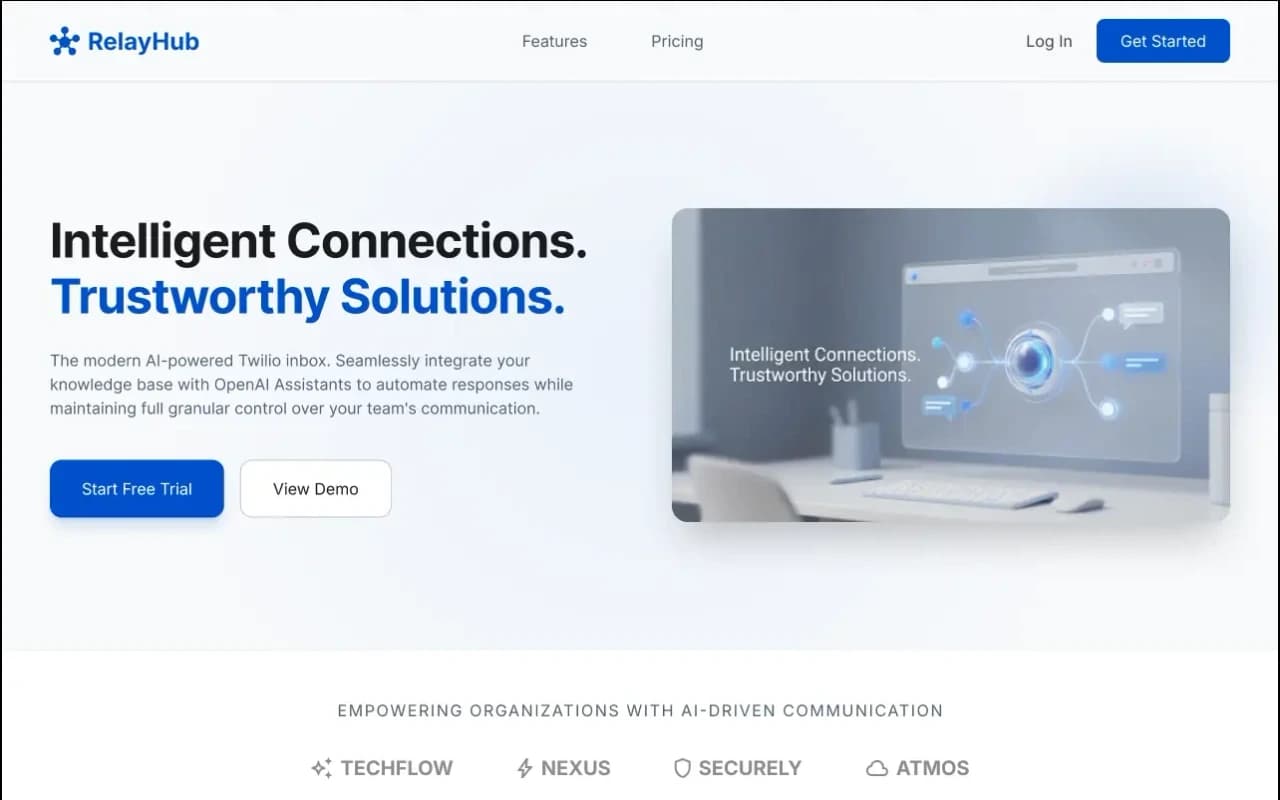
One triage view for Twilio phone and digital threads, with OpenAI drafts under admin prompts. Built for teams tired of rebuilding context across tools.

Editorial catalog with Stripe holds and automated return pickup. Lender dashboard keeps inventory and earnings honest for both sides.
FAQ
Questions
More on all insights, custom software, or contact Algo Vortex.