Our work
Case studies with screens, stacks, and outcomes
RelayHub, RouteMind, Loom & Luxe, QuizQuest, and Gusto. Why each existed, what shipped, and what stack sits under it.

Twilio + OpenAI inbox automation
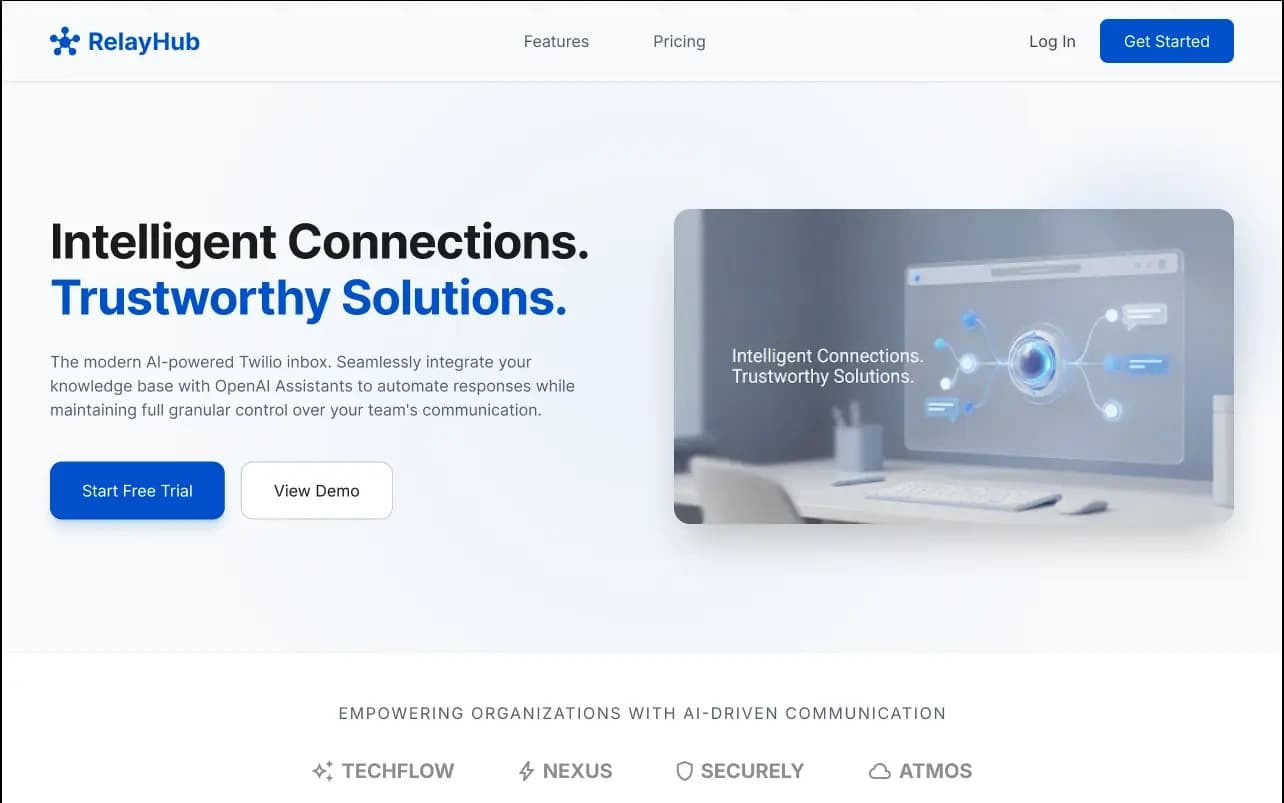
Intent: RelayHub started from a blunt observation: phone and chat should not live in separate tools. Sales and support kept losing the thread when a caller switched to SMS or a chat widget. The brief was one shared inbox. Twilio traffic and digital messages land together. AI clears the routine work so people only jump in when judgment matters. Teams also needed to steer the assistant without shipping a new build every time the script changed. Admin-controlled prompts per contact group were in the brief from day one. File digests mattered too. Long PDFs and call notes piled up unread. The product needed a path from upload to a short summary the whole group could scan before the next shift. Nobody on the project believed every reply should be fully automated. Refund fights, tone-sensitive replies, and messy exceptions still need a human. RelayHub uses OpenAI to draft, summarize, and clear the easy queue so senior staff spend time on work that actually needs them.
RelayHub ties Twilio numbers to OpenAI assistants. Teams share one inbox, steer replies with admin prompts, and turn uploads into short digests everyone can read.

RouteMind: fleet dispatch that cuts empty miles
AI fleet advisor + live load board
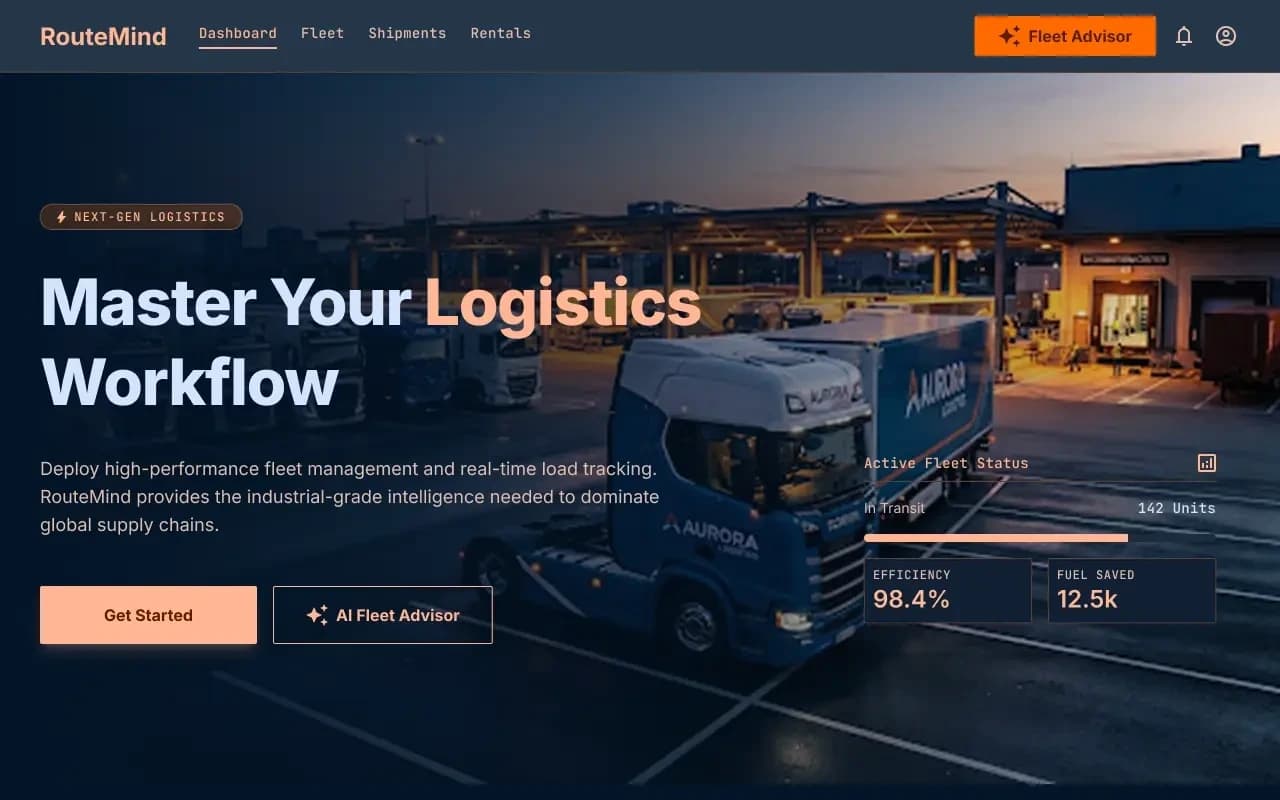
Intent: RouteMind exists so shippers and carriers can see loads, capacity, and routes in one place. Dispatch should cost less time and fewer wasted miles. The product pairs a live load board with an AI Fleet Advisor. Planners match freight to available trucks and compare paths with real map data instead of gut feel. Empty miles and stale boards were the business pain. When capacity is a guess, trucks deadhead and fuel burns for no revenue. Status, distance, and advisor guidance had to show up in the tools dispatchers already live in. Another spreadsheet export at the end of the shift was not going to cut it. Dispatchers needed advice that respected current capacity, not a generic logistics chatbot. The Fleet Advisor had to read live loads and vehicle state, then suggest moves a planner could accept or reject in the same UI. RouteMind was never meant to replace judgment. It was meant to cut the time spent assembling the picture before judgment starts.
RouteMind is a fleet and logistics platform with an AI Fleet Advisor and live load boards. Dispatch teams match freight to capacity and plan cheaper routes with Google Maps.

Loom & Luxe: rent the dress, skip the full retail bill
Rentals, deposits, and return logistics
Intent: Loom & Luxe makes designer dresses reachable for short events. Shoppers browse an editorial catalog, book a rental window, pay a fraction of retail, and get pickup handled when the window closes. Owners and brands need inventory, active rentals, and earnings in one lender dashboard instead of side chats and spreadsheets. The business needed rental commerce that feels like shopping, not a form dump. Deposits, delivery addresses, and returns had to be productized. If those steps stay manual, the marketplace cannot grow past a handful of garments and a very patient ops person. Trust sits at the center. Renters need deposits and holds that feel fair. Lenders need payouts and inventory status they can verify. Both sides had to feel comfortable putting real garments and real event dates into the system, not treating it like a weekend experiment. The storefront had to feel like fashion retail while the backend behaved like a logistics system. Pretty pages without return automation fail. Automation without an editorial catalog fails too. That tension is the real product.
Loom & Luxe is a designer dress rental marketplace. Shoppers book rental windows with Stripe. Owners track inventory and earnings. Return labels and courier pickup run when the window closes.

QuizQuest: practice that shows what you actually mastered
Timed quizzes + admin question creator
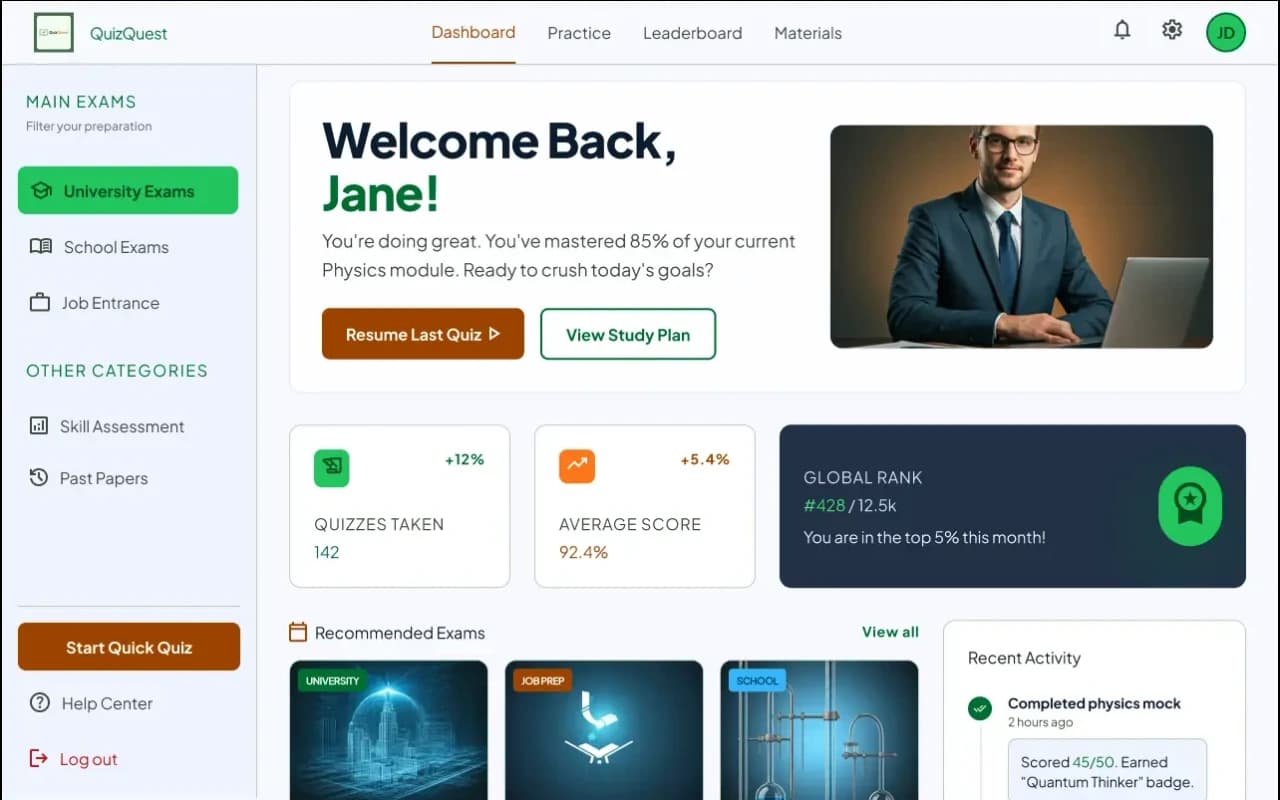
Intent: QuizQuest gives students timed practice with instant feedback and shows which topics they own versus which ones keep failing them. Instructors need a Question Creator that drafts and publishes assessments without another spreadsheet war or PDF email chain. The goal was assessment that teaches during the attempt, not only after a graded dump. Profiles should reflect mastery over time so learners and teachers can plan the next practice set from real attempt data, not from memory of last week's quiz. Schools and training programs wanted practice that survives real class periods. Timers have to hold up. Feedback has to arrive while the question is still fresh. Authoring tools have to be ones instructors will open twice a week. QuizQuest was built for that weekly rhythm, not for a one-off demo quiz. Instructors also needed confidence that a published quiz would look the same for every student in the room. That sounds basic until you mix diagrams, timers, and late joiners. Consistency was part of the promise.
QuizQuest is an assessment platform for students and instructors. Learners take timed multiple-choice quizzes and track topic mastery. Educators draft and publish assessments in a Question Creator.

Gusto: find food through friends, not empty star dumps
Maps, feed, and restaurant profiles
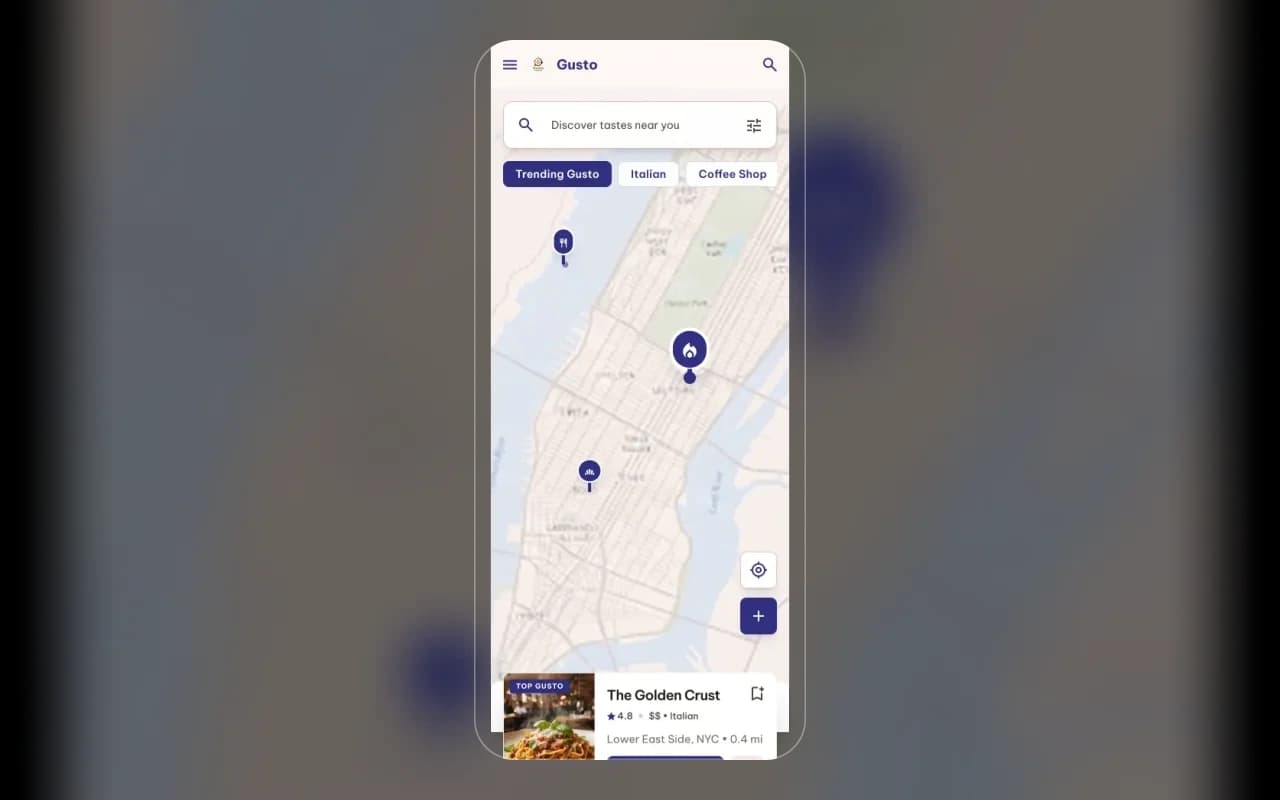
Intent: Gusto helps people find places worth eating through maps, friends, and dish photos, without another generic ratings wall. Star averages hide whether a place fits your crowd. Discovery should be shaped by taste and people you follow, with a map you can browse and photos that show the plate. That means a social loop that still feels fast on mobile: posts, reviews, notifications, and profiles that stay useful when you are already standing on a sidewalk deciding where to walk next. Web sits alongside for browsing, but the core experience is built for phones in the wild. Hospitality discovery fails when every place looks the same on a star list. Gusto bets on social proof you can inspect: who posted, what the plate looked like, and where it sits on the map. The product should feel useful while you are already outside, not only when you are planning from a desk. Friends and photos are the ranking signal the product wants to earn. Maps provide place and distance. Together they answer "where should we eat" with more than a cold average score.
Gusto is a social food discovery app. Users explore restaurants on maps, post dish photos, read community reviews, and follow a feed shaped by taste and friends.
Questions about the work
More engagement and IP questions live on the FAQ page. Ready to talk? Contact Algo Vortex.
Want to talk through a build?
Need a dedicated team or a clear project plan? We match engineers to your stack and put a first plan on the calendar.
Get in touch