

Key takeaways
Key takeaways
0401
Buy outcomes, not model names
The model is a component. The service is workflow design, evaluation, guardrails, and the ops path after launch.
02
Phase the commitment
Discovery, then a fixed production slice, then optional run support. Avoid open-ended “AI transformation” retainers with no KPI.
03
Demos are cheap; production is the product
If the SOW stops at a prototype, you bought theater. Demand evals, logging, and rollback in the same agreement.
04
Agents are one shape
Classification, extraction, RAG search, and copilots often beat a free-roaming agent for the first release.
What do AI software development services include?
AI software development services typically cover discovery of the job to automate, architecture, model and tool selection, integration with your systems, evaluation harnesses, security controls, and handover so your team can run the feature. Algo Vortex’s commercial path is AI development.
A serious package looks like product engineering with extra disciplines: prompt and tool design, retrieval quality, cost caps, and human review where actions touch money or customers. It does not look like a two-week transformation deck.
Expect the SOW to name the workflow, allowed write actions, success metrics, acceptance tests, and who owns API keys and data after launch. Vague “build us AI” language produces demos that never leave staging.
Deep how-tos live elsewhere. Use AI agent development for tool-calling loops, RAG development when answers must cite your corpus, and how to add AI to an existing product when you are extending a live system.
How should you structure an AI development engagement?
Structure AI software development services as Discovery → Build → Run when you can. Commit one phase at a time. Discovery should produce a scoped workflow, baseline metric, data and integration plan, build-versus-buy call, and acceptance tests. Public market quotes for paid discovery often land in the low five figures; treat any number you hear as directional and confirm against your scope.
Build should be a fixed production slice on real data: versioned prompts or configs, eval harness, observability, security controls, deployment, and a runbook. Pilots that end in a slide deck are not pilots.
Run is optional month-to-month support: eval drift, model upgrades, cost watch, and small iterations. Price it separately so you are not locked into an annual “AI retainership” with fuzzy deliverables.
You click a vendor’s case study. Every screenshot is a chat window. None say what failed in week two. Ask that question in the first call. The answer sorts serious partners from demo factories.
What a production AI SOW should name
Item
Target workflow + KPI
Why it matters
Bounds tools and success
Weak substitute
“Chat with our data”
Item
Write permissions
Why it matters
Defines blast radius
Weak substitute
Model decides freely
Item
Eval set + acceptance tests
Why it matters
Stops vibe-based shipping
Weak substitute
Founder demo scripts only
Item
Cost ceiling
Why it matters
Prevents bill shock
Weak substitute
Unlimited tokens
Item
IP + owner after launch
Why it matters
Keeps it alive
Weak substitute
Vendor-only prompt access
Item
Rollback / kill switch
Why it matters
Contains bad writes
Weak substitute
“We’ll watch it”
| Item | Why it matters | Weak substitute |
|---|---|---|
| Target workflow + KPI | Bounds tools and success | “Chat with our data” |
| Write permissions | Defines blast radius | Model decides freely |
| Eval set + acceptance tests | Stops vibe-based shipping | Founder demo scripts only |
| Cost ceiling | Prevents bill shock | Unlimited tokens |
| IP + owner after launch | Keeps it alive | Vendor-only prompt access |
| Rollback / kill switch | Contains bad writes | “We’ll watch it” |
Which engagement shapes fit AI work?
Fixed-scope slices fit when the workflow is clear: extract invoice fields, draft support replies with approval, rank routes with an advisor. You pay for a bounded production path, not an open research lab.
Dedicated or augmented squads fit when AI is a continuous product surface and priorities shift monthly. See staff augmentation and dedicated team cost.
Advisory-only fits when your engineers will build but need architecture review, eval design, or a threat model. Do not buy advisory if you need implementers—and do not buy implementers if nobody inside will own the model bill and incidents.
“Enterprise AI development” usually means SSO, audit logs, private networking, data residency, and change control. Put those in discovery, not as a go-live surprise.
How is this different from an AI agent guide?
Agent guides teach architecture. This page teaches procurement. The buying failure mode is paying for novelty, underfunding evaluation, and stranding a prototype with no operator.
Many first AI releases should not be agents. A classifier, an extractor, or a RAG box with citations often delivers value with less operational risk. Jumping to multi-agent orchestration because competitors mention agents is how budgets burn.
When an agent is right, insist on stop conditions, tool allowlists, and human review for irreversible actions. Chatbot vs AI agent draws the line. MCP matters when tool sprawl is the long-term problem.
Cost planning for agent-shaped work: AI agent development cost. Use it after the workflow is named.
How do you evaluate an AI software development company?
Ask for a production story: what shipped, what failed in week two, how they measured quality. Chat UI screenshots prove little.
Ask who writes evals and who can change prompts in production. If only the vendor can touch the system, you rent a black box.
Ask about data handling: where prompts and documents are logged, training opt-out on model vendors, secret storage. How to choose an AI development company expands the checklist.
Run a paid slice in your environment. Two to four weeks on a real workflow beats a beauty-contest RFP. You learn their habits and your data gaps in one move.
What should you own after launch?
Code, prompts-as-config, eval sets, runbooks, and cloud accounts. Model API lock-in is manageable. Operational knowledge lock-in is not. Require IP transfer for work product in the contract.
A dashboard your team opens: token spend, tool errors, human overrides, thumbs-down themes. Without that, “AI is live” means “AI is unobserved.”
A rollback path. Feature flags or a kill switch for tool writes. Clever systems you cannot turn off become outages with personality.
Ready to scope? AI development or contact with one workflow, one success metric, and the systems the feature must call.
Next step
Name the workflow, not the model
Tell us the job AI should finish, the systems it must call, and what a wrong answer costs. We will propose a production slice with evals and ownership built in.
Talk to Algo VortexSame cluster
Related in this cluster
AI agent development
AI agent development turns a defined business workflow into software that can reason, call tools, and hand risky decisions to people. This guide explains the architecture, guardrails, evaluation, and operating work needed to move past a promising demo.
RAG development
RAG development connects a language model to your current documents, records, and permissions so answers can be traced to a source. The hard part is not calling a model. It is parsing, retrieval, access control, evaluation, and knowing when the system should decline to answer.
How to choose an AI development company
Choose an AI development company by how well it defines the job, handles your data, measures output, ships surrounding product work, and supports the system after launch. A polished demo matters far less than evidence of sound engineering and honest limits.
How to add AI to an existing product
Add AI to an existing product by placing it inside a workflow users already understand, keeping provider calls behind your backend, reusing current permissions, and releasing behind a feature flag. The model should support the product, not become a second system of record.
AI agent development cost
AI agent budgets have two parts: the product work needed to build a dependable system and the recurring cost of models, infrastructure, evaluation, and human review. This guide explains the ranges already published here and, more importantly, what moves a project up or down.
Capabilities
Related capabilities
AI & Data Innovation
Generative AI, ML, and data pipelines that land in products people use, not pilots that die on a slide deck.
Custom Software Development
From discovery through production releases, we build the systems your business actually runs on.
Staff Augmentation
Senior engineers and QA who join your tools and rituals in days, not after a months-long hire.
Proof
Related case studies
Live products where this kind of work showed up in the build.
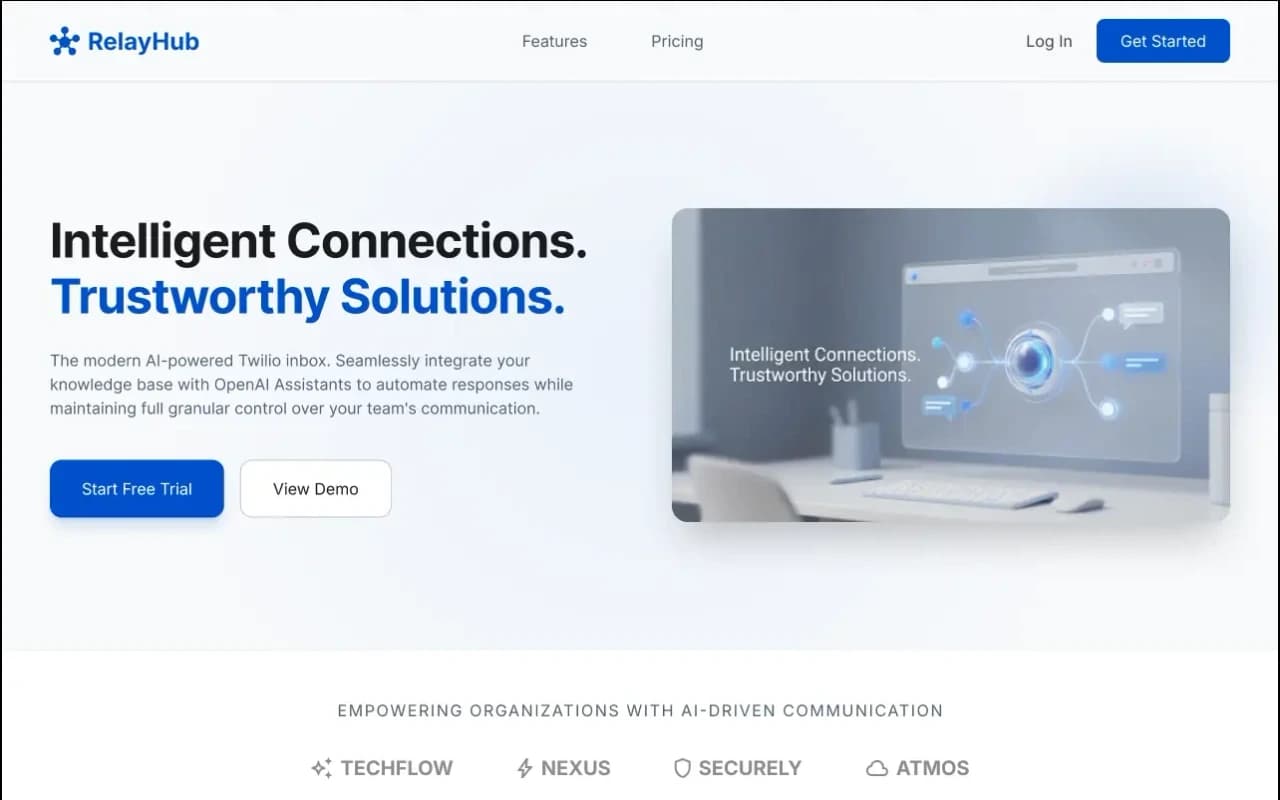
One triage view for Twilio phone and digital threads, with OpenAI drafts under admin prompts. Built for teams tired of rebuilding context across tools.
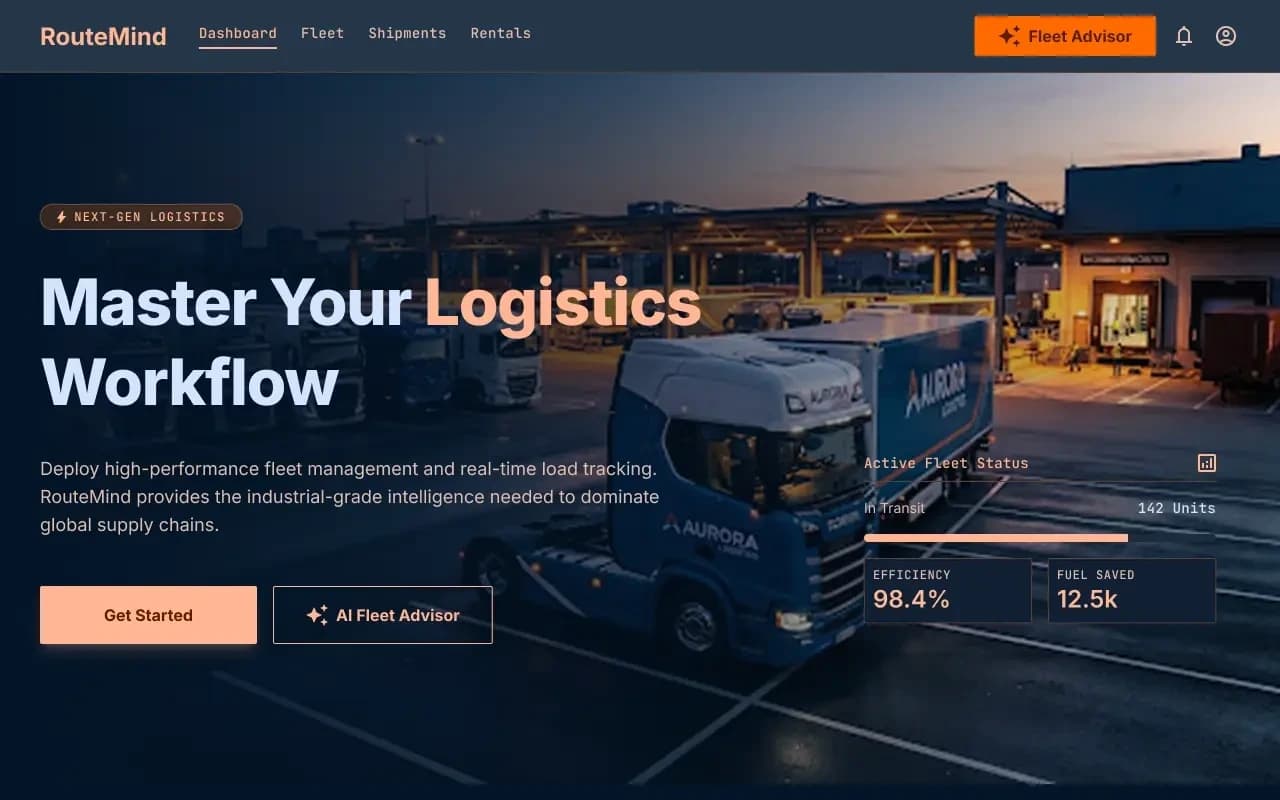
Shipper load board and fleet dashboard on one ops model, with an AI advisor that reads live capacity before suggesting the next move.
FAQ
Questions
More on all insights, AI development, or contact Algo Vortex.