

Key takeaways
Key takeaways
0401
Vibe coding is an experiment
Use a model to test an interaction or idea quickly. Treat the result as research until it passes normal production checks.
02
Production has receipts
Tests, access control, logs, a rollback, someone on-call. If those are missing, you are still vibing, even on a custom domain.
03
Agents make the mix easier to botch
Coding agents can generate a lot of plausible code. Plausible is not operable.
04
Use both on purpose
Spike on Thursday. Extract the lesson. Rebuild the part you will keep with the same care you use on anything that holds user data.
What does vibe coding mean in practice?
Vibe coding is building by feel with a model in the loop. You describe the next bit, paste the output, run it, describe the error, repeat. You can get a demo in an afternoon that would have taken a week of setup in 2019. That speed is real. So is the pile of unmarked decisions inside the generated files.
It is a good way to answer does this interaction even make sense and can we show the buyer a clickable path. It is a bad way to answer can we rotate keys, can we restore from backup, and who gets paged when the job dies at 2am.
The term caught on because the feeling is the point. You stay in flow. Professional development interrupts flow on purpose: review, tests, threat modeling. Those interrupts are not bureaucracy for its own sake. They are how you do not learn about an IDOR from a customer tweet.
Why does vibe-coded software fail in production?
Vibe coding breaks down when experimental code becomes a depended-on system without a production pass. Common problems include copied authentication, client-side secrets, missing database migrations, weak indexes, and unowned dependencies. The model will not remember why it chose a library, and neither will the team if nobody records the decision.
Security and observability are the usual casualties. Generated apps often log too much or nothing. They often skip row-level checks. They often have a happy path and a comment that says handle errors later. Later is production.
Architecture is the other casualty. A spike can be a single folder of miracles. A product needs boundaries so two features do not share a god table. How to add AI to an existing product assumes those boundaries exist. Vibe coding rarely creates them.
What does professional software development add?
Professional software development adds testable requirements, controlled environments, required checks, code review, and a deployment that can roll back. It also adds threat modeling for sensitive data and logs or traces that explain failures. These practices turn a promising experiment into software another person can safely depend on.
That bar is not enterprise theater. A five-person startup that stores payments still needs it. The difference is proportion. You do not need a 40-page architecture review to validate a landing page. You do need tests and access control before you store passports.
AI does not lower the bar. It raises the volume of code that can miss it. AI coding agents belong inside the professional loop, not as a bypass around it.
How can teams combine vibe coding with professional delivery?
Label the work. Spike. Prototype. Production path. If a spike must be shown to users, put it behind a flag and a kill switch, and write down what is fake. Do not let a Friday demo become Monday's only environment.
When a vibe session finds something worth keeping, rewrite or isolate the keepers. Take the idea, not the unmarked file dump, unless you have time to review it like any other contribution. That sounds slower. It is faster than debugging generated auth in week six.
Algo Vortex will spike with you. We will not call the spike done. Custom software and AI development are the production path. If you have a demo that now has users, contact and say so plainly. That is a hardening job, and it is a common one.
Next step
Turn a working demo into dependable software
Share the repository, users, and data it holds. We will identify what can stay, what needs hardening, and what should be rebuilt before wider use.
Talk to Algo VortexSame cluster
Related in this cluster
AI coding agents
AI coding agents can inspect repositories, edit several files, run commands, and return a patch against a defined task. They can speed up bounded engineering work, but people still own architecture, security, review, deployment, and production incidents.
How to choose an AI development company
Choose an AI development company by how well it defines the job, handles your data, measures output, ships surrounding product work, and supports the system after launch. A polished demo matters far less than evidence of sound engineering and honest limits.
How to add AI to an existing product
Add AI to an existing product by placing it inside a workflow users already understand, keeping provider calls behind your backend, reusing current permissions, and releasing behind a feature flag. The model should support the product, not become a second system of record.
Capabilities
Related capabilities
Proof
Related case studies
Live products where this kind of work showed up in the build.
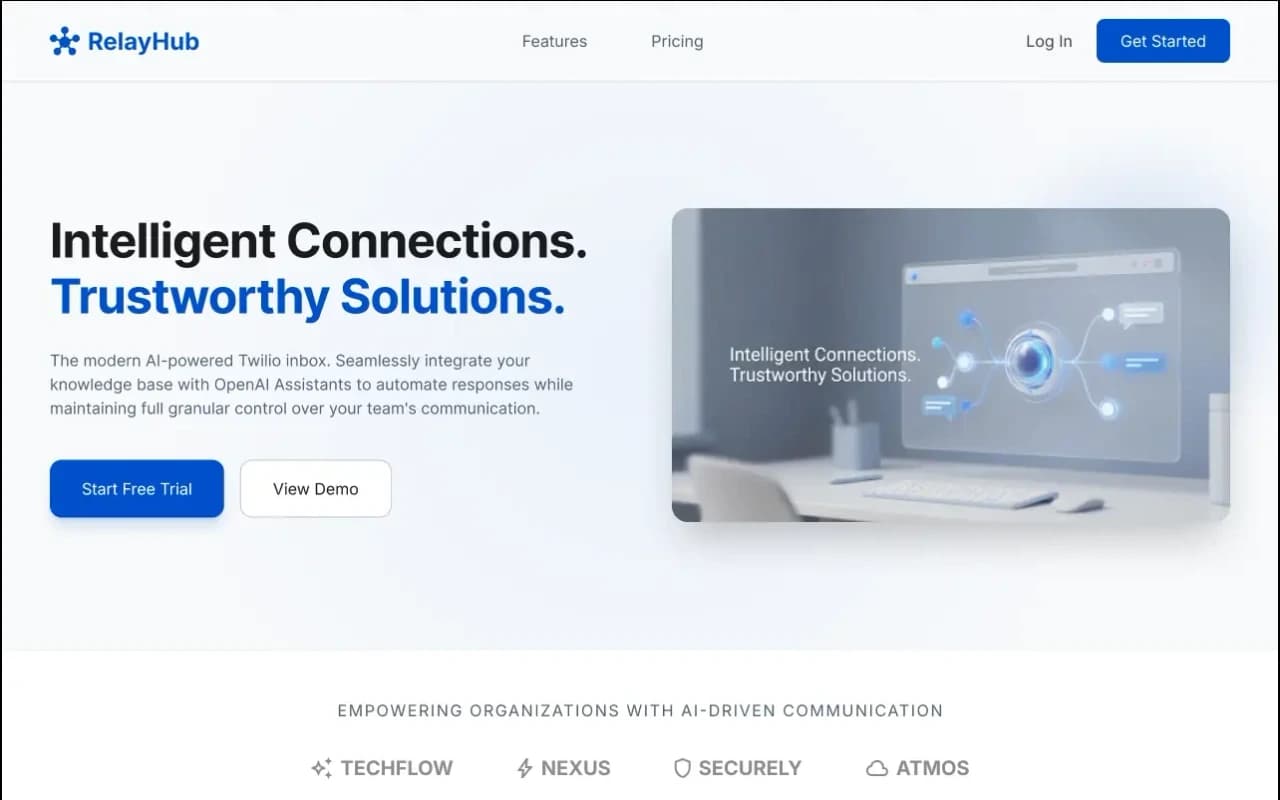
One triage view for Twilio phone and digital threads, with OpenAI drafts under admin prompts. Built for teams tired of rebuilding context across tools.
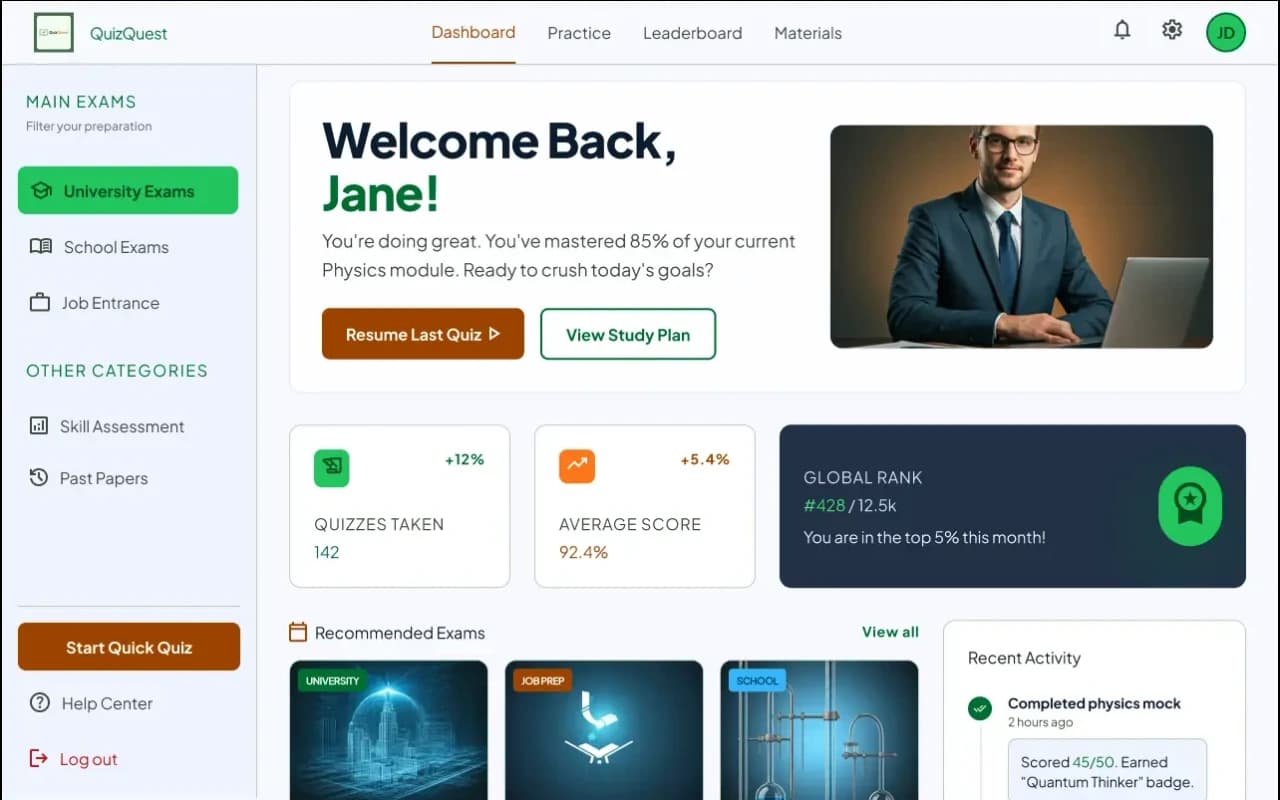
Timed MCQs with instant feedback, topic mastery profiles, and a Question Creator instructors can publish without waiting on engineering.
FAQ
Questions
More on all insights, AI development, or contact Algo Vortex.