

Key takeaways
Key takeaways
0401
Assistant vs agent
Autocomplete and chat sit in the editor. An agent plans, edits, runs tests, and iterates. Different blast radius.
02
They ship diffs, not products
A passing test on a laptop is not production. Review, security, rollouts, and on-call stay human-owned.
03
Work changes shape
More time on specs, evals, and review. Less time on boilerplate. The boring judgment calls do not disappear.
04
Context sets the limit
Agents can handle local changes well. Undocumented systems, unavailable environments, and unstated requirements still demand human judgment.
What is the difference between a coding assistant and a coding agent?
A coding assistant suggests the next lines or answers a question about the file you have open. You stay in the loop on every keystroke. A coding agent takes a task, explores the repo, edits several files, runs commands, and reports back. You review a bundle of changes instead of each token.
Both use language models. The agent has tools: shell, tests, browser, sometimes tickets. That is the same split as chatbots vs agents, applied to engineering. More autonomy, more ways to be wrong in bulk.
In 2026 the line is messy. Chat UIs spawn agents. IDEs hide agents behind a sidebar. Judge them by whether they can run your test command and open a pull request, not by the marketing name.
Which software tasks do coding agents handle well?
Coding agents work best on bounded repository tasks with clear acceptance checks. Good examples include boilerplate, test scaffolding, mechanical migrations, implementing a focused specification, and tracing an error already visible in logs. Give the agent a small surface, relevant context, and a command that can verify the result.
They are weak on systems they cannot run, requirements nobody wrote down, and taste. They will happily duplicate a pattern you were trying to kill. They will mock a test until it passes. They will not feel the dread of a migration that has to keep last year's tenants alive.
Treat the output as a junior patch from someone who has never been on-call for this app. Sometimes that junior is shockingly fast. Sometimes they renamed the wrong service and the tests still went green because the suite never covered it.
What should coding agents never own alone?
Coding agents should not own production incidents, approve security decisions, choose acceptable business risk, or merge sensitive changes without review. Those duties require accountable people with product and operational context. An agent may prepare evidence or suggest a patch, but it cannot carry responsibility for the outcome.
They also cannot replace architecture. If the domain is a mess, an agent will generate more mess, faster. Vibe coding vs professional development is the cousin of this point. Exploration is fine. Shipping without tests, observability, and a rollback is still malpractice.
For product companies, the useful stance is: agents accelerate the diff, humans still gate the merge and the deploy. Teams that skip the gate get a week of velocity and a month of cleanup. We have watched both.
How do AI coding agents change engineering work?
You spend more time writing the task so it is checkable. Acceptance criteria, fixtures, a command that means done. You spend more time reviewing diffs for the thing the tests cannot see: auth holes, extra endpoints, secrets in logs. You spend less time typing the obvious adapter.
Seniors do not become obsolete. They become bottlenecks in a different place, which is honest. If one person must review every agent PR, you have a queue. Invest in smaller tasks, better tests, and lint that catches the dumb stuff so review can focus on the sharp stuff.
Algo Vortex uses these tools internally the same way we would in a client repo: behind review, in your branching rules, with secrets kept out of prompts. AI development is still about features in products. Coding agents are how some of the software around those features gets drafted. They are not the product we sell you as a black box employee.
Next step
Use AI tools without giving up ownership
We use coding agents inside normal engineering controls. Share your product brief if you need a feature or delivery team that remains accountable for production.
Talk to Algo VortexSame cluster
Related in this cluster
Vibe coding vs professional development
Vibe coding is useful for exploring an idea quickly with AI-generated code. Professional software development turns proven ideas into systems people can depend on through clear architecture, tests, security controls, monitoring, and ownership. Trouble starts when a quick experiment quietly becomes production.
AI agent development
AI agent development turns a defined business workflow into software that can reason, call tools, and hand risky decisions to people. This guide explains the architecture, guardrails, evaluation, and operating work needed to move past a promising demo.
How to add AI to an existing product
Add AI to an existing product by placing it inside a workflow users already understand, keeping provider calls behind your backend, reusing current permissions, and releasing behind a feature flag. The model should support the product, not become a second system of record.
Capabilities
Related capabilities
Proof
Related case studies
Live products where this kind of work showed up in the build.
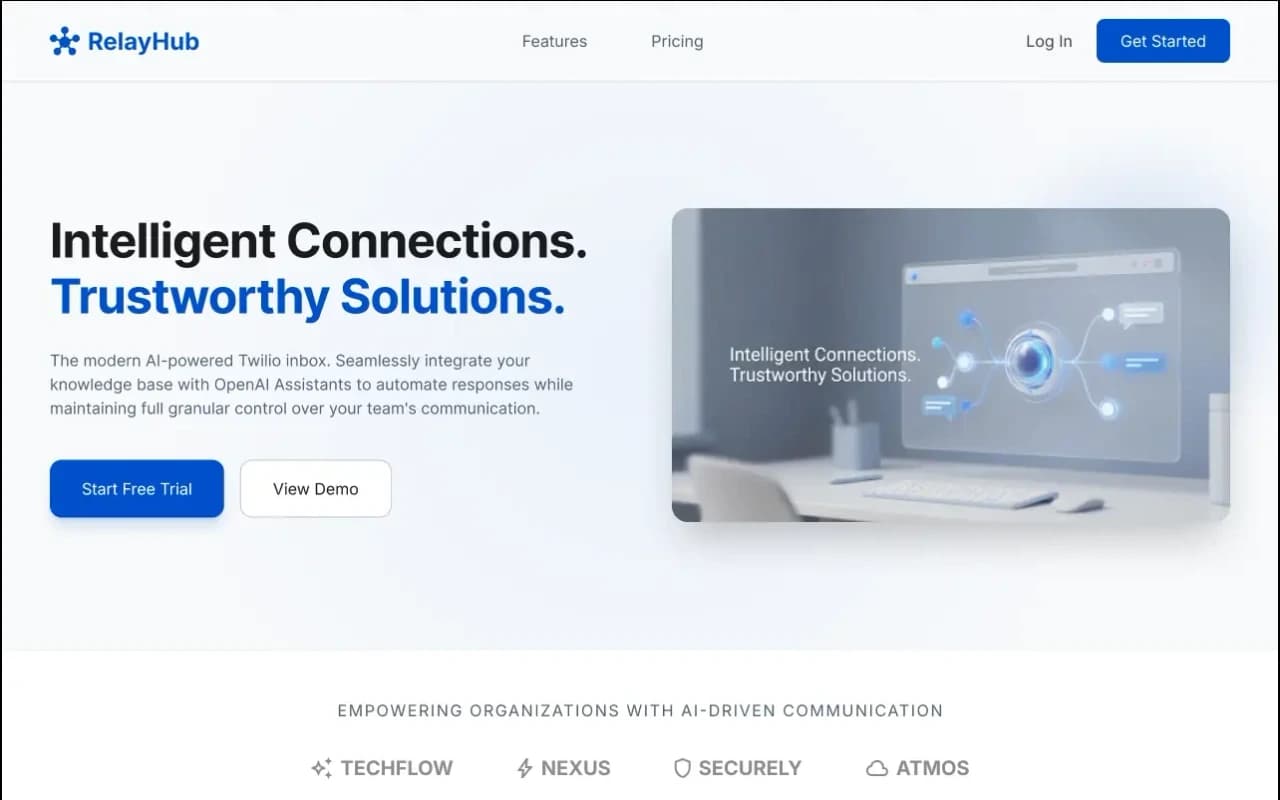
One triage view for Twilio phone and digital threads, with OpenAI drafts under admin prompts. Built for teams tired of rebuilding context across tools.
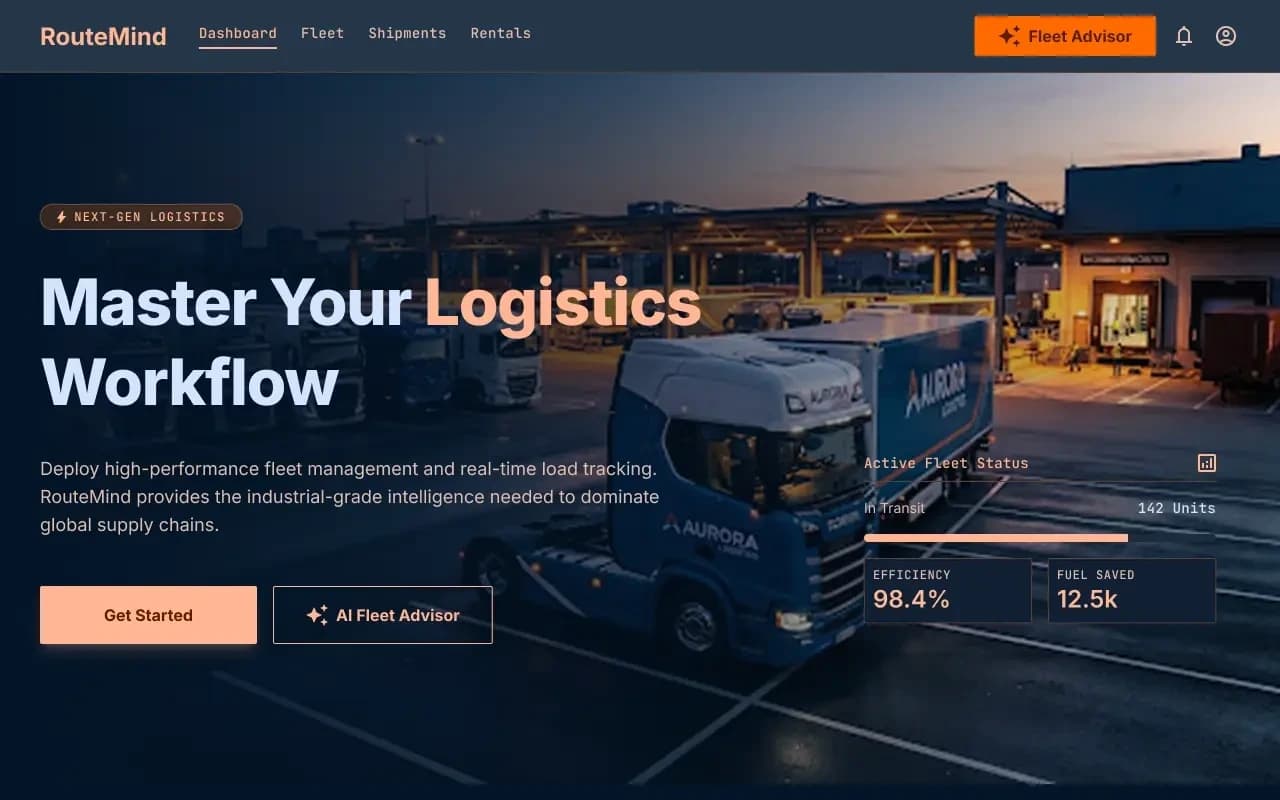
Shipper load board and fleet dashboard on one ops model, with an AI advisor that reads live capacity before suggesting the next move.
FAQ
Questions
More on all insights, AI development, or contact Algo Vortex.