

Key takeaways
Key takeaways
0401
HIPAA is a program, not a badge
There is no vendor seal that makes your app compliant. Roles, contracts, architecture, and day-to-day operations all count.
02
Map ePHI before you code screens
Follow every identifier from create to delete—including crash reports, analytics, and push payloads teams forget.
03
Audit trails are clinical features
Who viewed or changed a record is part of care and compliance. If you cannot answer that, the system is not ready.
04
Workflow beats feature lists
Extra clicks for nurses get bypassed. Shadow charts and chat threads appear within weeks.
What does healthcare software development cover?
Healthcare software development covers patient-facing apps, clinician portals, scheduling, telehealth, care coordination, revenue-cycle tools, and EHR integrations. The shared requirement is careful handling of protected health information and workflows that match how clinics run on a busy Tuesday.
Buyers asking a healthcare software development company for “HIPAA compliant software development” are stating real intent. Treat the phrase as a design constraint, not a checkbox a vendor can sell you. Compliance depends on your legal role, contracts, hosting scope, access controls, and how the software is operated.
Algo Vortex builds custom software and dedicated teams. We are not claiming a HIPAA certification seal on this page. We do claim engineering practice that supports HIPAA-minded delivery: least privilege, encryption in transit, careful logging, environment separation, and willingness to sign a Business Associate Agreement when we are a business associate for the engagement.
If the problem is packaging rather than workflow uniqueness, check whether an EHR module or specialty SaaS already covers it. Custom software vs off-the-shelf helps frame that call.
What is HIPAA compliant software development?
HIPAA compliant software development is the process of designing, building, deploying, and operating software so electronic protected health information is protected under HIPAA’s privacy and security expectations for your role. It is ongoing. There is no one-time “HIPAA-certified” binary for an application.
Start with roles. Covered entity, business associate, or subcontractor to a business associate? The answer changes BAAs and safeguards. A shop that shrugs at that question is guessing with your risk.
Map ePHI flows before requirements workshops turn into wireframes. HIPAA lists identifiers that become PHI when tied to health or payment data. Those fields hide in places teams skip: push notifications, crash reports, analytics events, support tickets, and URL query strings.
Technical safeguards that show up in code review: unique user IDs, MFA for privileged roles, session timeouts that fit clinical settings, encryption in transit and at rest for stores that hold PHI, integrity checks, and emergency access that is documented—not a permanent back door. Operational safeguards still matter: access reviews, incident response, vendor inventory, laptop encryption, and offboarding when an engineer leaves.
HIPAA-minded engineering checklist (not legal advice)
Area
Contracts
What to require
BAA when BA relationship applies; cloud service scope listed
Red flag
“Legal later” / unknown subprocessors
Area
Access
What to require
Least privilege, MFA for admin
Red flag
Shared prod passwords
Area
Environments
What to require
Synthetic or de-identified data outside prod
Red flag
Prod dumps in Slack
Area
Logging
What to require
Access and change audits, retained evidence
Red flag
Logs with no actor
Area
Pipeline
What to require
Secret scan, SAST, gated deploys
Red flag
PHI in CI logs
| Area | What to require | Red flag |
|---|---|---|
| Contracts | BAA when BA relationship applies; cloud service scope listed | “Legal later” / unknown subprocessors |
| Access | Least privilege, MFA for admin | Shared prod passwords |
| Environments | Synthetic or de-identified data outside prod | Prod dumps in Slack |
| Logging | Access and change audits, retained evidence | Logs with no actor |
| Pipeline | Secret scan, SAST, gated deploys | PHI in CI logs |
How should architecture protect PHI?
Separate systems of record. Clinical data, identity, and billing often need different retention and access rules. One mushy database makes every feature a privacy review.
Prefer tokenization and references over copying PHI into every service. A notification worker that only needs a patient ID and a template key does not need the full chart on the queue.
Treat exports and APIs as deliberate products. Bulk CSV download is a common breach path. Rate-limit, require justification for wide exports, and log them.
On cloud platforms, a signed BAA is not enough if you use a service outside the provider’s in-scope list. Confirm which managed services are covered before PHI touches them.
EHR interfaces (HL7, FHIR, vendor APIs) dominate timelines the way carrier APIs dominate logistics. Each one is its own project. API integration services covers the craft; healthcare adds stricter test-data rules and slower sandboxes.
Why do clinical workflows kill otherwise “good” apps?
Clinicians optimize for time under load. An extra login, an extra scroll, or a form that fights the visit rhythm gets abandoned. Then PHI moves to channels you do not control.
Shadow the real workflow before you invent screens. Who enters data during the visit versus after? Shared workstation or personal phone? Where do calls interrupt? Those answers beat a mood board.
Offline and flaky connectivity show up in clinics and home-health routes. Assume imperfect Wi-Fi. Queue carefully. Resolve chart-note conflicts with clinical review, not silent last-write-wins.
Accessibility is a safety feature. Small gray text on a med list is not a taste issue. It is a risk issue.
How should you phase a healthcare build?
Start with one clinic workflow and one clear PHI boundary. Example: referral intake with status tracking, RBAC, and audit logs—connected to one upstream system. Prove that slice under a security questionnaire before telehealth or billing sprawl.
Put compliance gates in the pipeline early: secret scanning, dependency checks, and blocking merges that add ePHI handling without required logging. Bolting DevSecOps on after launch is how evidence gaps appear in the worst week.
Add integrations next, not ten specialty modules. Parallelizing five EHR connections on day one is how programs stall.
Then broaden personas: patient self-service, multi-site admin, analytics. Analytics on PHI needs its own access model. Do not reuse clinical app permissions by accident.
Delivery: custom software development, QA & security, how to build custom software. Cost: custom software development cost.
Next step
Which clinical workflow should we protect first?
Share the personas, PHI fields, and systems you must connect. We will map a first slice with access control and auditability built in—not promised for later.
Talk to Algo VortexSame cluster
Related in this cluster
Custom software development
Custom software earns its keep when your workflow does not fit a vendor tool, or when that workflow is the product customers buy. Here is how to decide, what a serious engagement includes, and how to ship something your team can still run after launch.
How to build custom software
Start custom software with one job, known users, and a result you can demonstrate. Model the records behind that job, ship a vertical slice through a real integration, and put it in staging early. Broad platform plans can wait until the first workflow works.
API integration services
API integration work starts after the first successful request. Production systems need token renewal, rate-limit handling, safe retries, webhook verification, reconciliation, and logs that explain what happened. Scope those failure paths early or the estimate will miss most of the job.
Fintech software development
Fintech software development is custom product work where money movement, identity checks, and audit trails are part of the feature set. Screens are the easy half. The hard half is ledgers that reconcile, payments that stay idempotent under retries, and controls you can walk a reviewer through without sweating.
Custom software development cost
Custom software cost follows scope, integrations, data, and the team needed to keep it running. A useful estimate separates the first production release from hosting, maintenance, and later changes. This guide explains the cost drivers already hiding inside most briefs.
Capabilities
Related capabilities
Custom Software Development
From discovery through production releases, we build the systems your business actually runs on.
QA & Security
Automated tests, performance checks, and security-minded QA so fewer surprises show up late.
Web & Mobile Development
React, Next.js, Flutter, or React Native apps fast enough for daily use and solid enough to grow.
Proof
Related case studies
Live products where this kind of work showed up in the build.
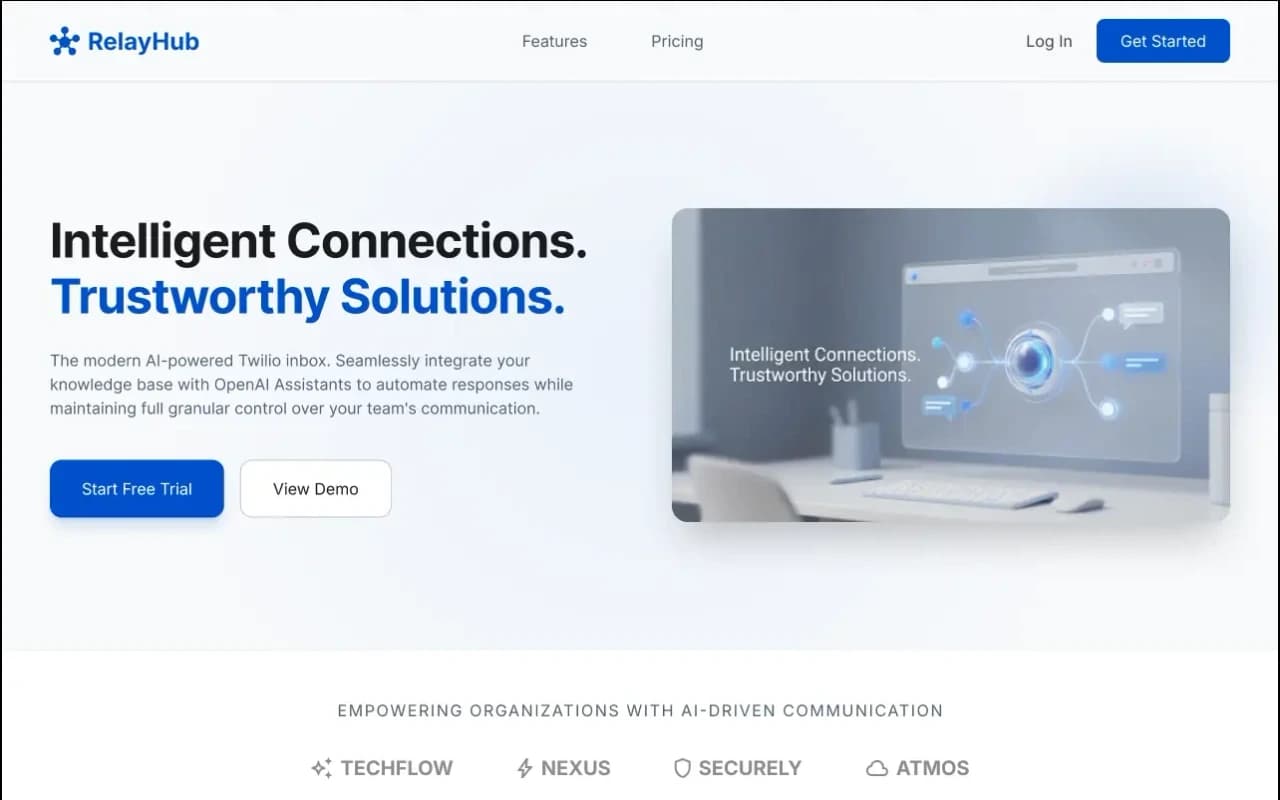
One triage view for Twilio phone and digital threads, with OpenAI drafts under admin prompts. Built for teams tired of rebuilding context across tools.

Timed MCQs with instant feedback, topic mastery profiles, and a Question Creator instructors can publish without waiting on engineering.
FAQ
Questions
More on all insights, custom software, or contact Algo Vortex.